Floridians don’t want the DEP to pave paradise and put up a parking lot
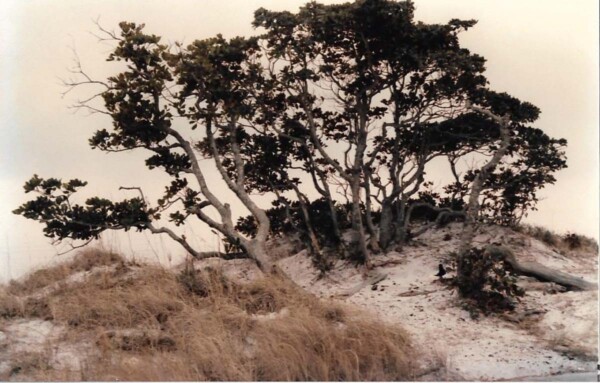
Wind-sculpted trees crouch atop a dune at Grayton Beach State Park. Image courtesy of Del Stone Jr.
“They paved paradise and put up a parking lot.” – Joni Mitchell, “Big Yellow Taxi”
The Florida Department of Environmental Protection, according to its mission statement, “protects, conserves and manages the state’s natural resources and enforces its environmental laws.”
Why then is the DEP, the sole governmental entity charged with “protecting” and “conserving” Florida’s unique and endangered natural resources, advancing a proposal that would threaten the very resources it is charged with protecting?
Cynically titled the “Great Outdoors Initiative,” the DEP proposal, according to a report by Brandon Girod of the Pensacola News Journal, would bring a mix of golf courses, hotels, pickleball courts and disc golf courses to nine of Florida’s state parks, including Topsail Hill Preserve and Grayton Beach State Park.
In the Panhandle, Topsail Hill would suffer the worst, receiving a 350-room resort, pickleball courts and a disc golf course. Pickleball and disc golf would also come to Grayton Beach State Park.
Never mind that this proposal, on its face, seems to contradict the point of even having a park; never mind that further development pressure would endanger the unique and irreplaceable ecosystems contained within those parks; and never mind that a growing number of Floridians and elected officials are saying they don’t want these parks developed; why would the state try to compete with the private sector in matters of resorts and golf courses when it has no aptitude for managing either, and with regard to golf courses, would be investing taxpayer dollars in a failing venture?
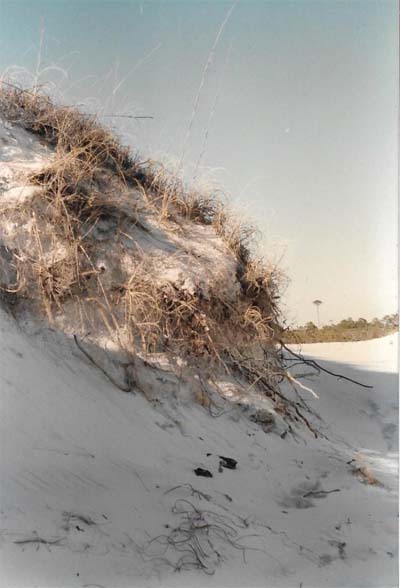
Golf is a failing venture. It has been declining in the United States for years, and continues to lose popularity as younger, less affluent generations look for other ways to entertain themselves.
In a Jan. 13, 2023 report, Amelia Josephson, writing for SmartAsset, noted, “Golf has had fewer and fewer players over the past decade. According to Pellucid, the number of U.S. golfers is down 24% in 2016 from its 2002 peak. The Pellucid report found that in 2013 alone, golf lost 1.1 million players. This number has continued to decline today.” Additionally, the number of golf courses in the United States has fallen 13 percent from 2006 to 2022, according to the National Golf Foundation.
As for hotel rooms and resorts, Florida is awash in both. Two of the top 10 hotel room cities in the United States are in Florida, according to a 2016 Statista report. They are Orlando and Miami. Orlando trails only Las Vegas in its number of available hotel rooms. Meanwhile, Florida’s revenue derived from hotel occupancy is second only to California’s and the gap is closing, according to a July 22, 2022 analysis by Oxford Economics.
Obviously the state needs another golf course like the proverbial hole in the head, and its hotel industry is doing just fine, thank you very much. What’s infuriating is that while the DeSantis regime fritters away its efforts on pointless and cruel political stunts like the drag queen dust-up, book bans, and now this absurd proposal to develop Florida’s state parks, it ignores the real problems facing Floridians such as climate change, the housing crisis and the spiraling insurance crisis.
Florida is home to plants and animals not found anywhere else in the world. Their existence plays roles in our lives not fully defined by science. More than that, we, as moral beings, have an ethical obligation to preserve life, not just for own aesthetic but for the rights of those other living things.
If there’s a market for more hotel rooms, golf courses and other amenities, the private sector will provide those things, on land more suited for those uses.
Florida’s uniquely beautiful and irreplaceably state parks must be preserved in their natural state for us and future generations to enjoy, and for the creatures with whom we share this earth.
About the author:
Del Stone Jr. is a professional fiction writer. He is known primarily for his work in the contemporary dark fiction field, but has also published science fiction and contemporary fantasy. Stone’s stories, poetry and scripts have appeared in publications such as Amazing Stories, Eldritch Tales, and Bantam-Spectra’s Full Spectrum. His short fiction has been published in The Year’s Best Horror Stories XXII; Alfred Hitchcock’s Mystery Magazine; the Pocket Books anthology More Phobias; the Barnes & Noble anthologies 100 Wicked Little Witch Stories, Horrors! 365 Scary Stories, and 100 Astounding Little Alien Stories; the HWA anthology Psychos; and other short fiction venues, like Blood Muse, Live Without a Net, Zombiesque and Sex Macabre. Stone’s comic book debut was in the Clive Barker series of books, Hellraiser, published by Marvel/Epic and reprinted in The Best of Hellraiser anthology. He has also published stories in Penthouse Comix, and worked with artist Dave Dorman on many projects, including the illustrated novella “Roadkill,” a short story for the Andrew Vachss anthology Underground from Dark Horse, an ashcan titled “December” for Hero Illustrated, and several of Dorman’s Wasted Lands novellas and comics, such as Rail from Image and “The Uninvited.” Stone’s novel, Dead Heat, won the 1996 International Horror Guild’s award for best first novel and was a runner-up for the Bram Stoker Award. Stone has also been a finalist for the IHG award for short fiction, the British Fantasy Award for best novella, and a semifinalist for the Nebula and Writers of the Future awards. His stories have appeared in anthologies that have won the Bram Stoker Award and the World Fantasy Award. Two of his works were optioned for film, the novella “Black Tide” and short story “Crisis Line.”
Stone recently retired after a 41-year career in journalism. He won numerous awards for his work, and in 1986 was named Florida’s best columnist in his circulation division by the Florida Society of Newspaper Editors. In 2001 he received an honorable mention from the National Lesbian and Gay Journalists Association for his essay “When Freedom of Speech Ends” and in 2003 he was voted Best of the Best in the category of columnists by Emerald Coast Magazine. He participated in book signings and awareness campaigns, and was a guest on local television and radio programs.
As an addendum, Stone is single, kills tomatoes and morning glories with ruthless efficiency, once tied the stem of a cocktail cherry in a knot with his tongue, and carries a permanent scar on his chest after having been shot with a paintball gun. He’s in his 60s as of this writing but doesn’t look a day over 94.
Contact Del at [email protected]. He is also on Facebook, twitter, Pinterest, tumblr, TikTok, and Instagram. Visit his website at delstonejr.com .
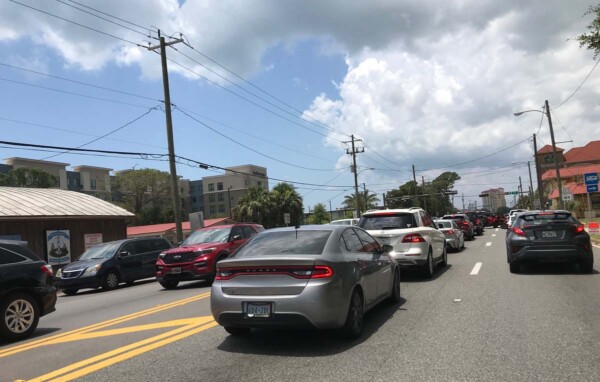
Del Stone Jr.
I was privileged to have grown up on the Miracle Strip.
To my loss – and everyone else’s loss – the Miracle Strip is now a thing of the past.
It has been replaced by an asphalt and concrete monument to greed.
This is what I want to tell you.
—
The Miracle Strip as it once existed, the Miracle Strip of the 1950s, ’60s and even the ’70s, possessed a unique charm, a kind of innocent simplicity dipped in yellow cornmeal and buttermilk, then deep-fat fried and served with melting butter. That recipe for charm still exists in places with names like Sopchoppy and Wewahitchka, but it has long since vanished from the Greater Destin-Fort Walton Beach Hellplex.
Most striking were the beaches – radiant and opalescent, their snow-white sands and turquoise waters exceeding the color-saturated promises of every postcard ever printed. They were everywhere, wherever you wanted them to be, mile after mile of trackless miracle. You parked your car along a berm of crushed oyster shells, threaded your way through sandspurs and sea oats, and set up shop on an infinite expanse of sand so white it threw sunshine into the sky, a halo of silvery, divine light. The water was the color of bluish-green you dreamed beaches in heaven looked like, and it was warm and calm.
It was all so restorative … to lie in the sand, sit at the water’s edge, listen to the gentle sussing of wind and waves, and swim out to the sandbar. The natural quiet opened places inside you had forgotten existed. You could think. And yes, you could dream.
If you lingered at the beach until your skin burned you were in trouble. You needed to swath yourself in vinegar water to ease the pain. You went around smelling like a salad and three days later you were molting like one of those green lizards that lived below your front porch light, but at least you didn’t scream when somebody slapped you on the back. Or maybe you did.
On the way home you might pull off at one of the roadside shanties for shrimp or boiled peanuts. There were restaurants that fried the pompano living near that sandbar swam to, and even a few fast-food joints where you could get a milkshake for a quarter and fries for 15 cents. You sat in the parking lot, on the hood of your car, and wondered where Bob had gotten the money for that ’57 Chevy, and you knew Mark had rolled his bangs on a pencil to get that flip when a dab of Brylcreem would have done just as well. Stupid boys.
The boat ramps were uncluttered and the fish so thick you could track down schools of feeding blues in Choctawhatchee Bay just by looking for the froth. In those days the bay was big enough for Sunfish sailboats and Glastron ski barges, and the water was so clear you could see starfish on the bottom, or seahorses clinging to the marsh grass by the Yacht Club.
The only traffic to speak of is when they held the Billy Bowlegs Ski Show on this side of the Cinco Bayou Bridge. Rugged-looking guys wearing boxy swimming trunks would ski off ramps and sail through the air. Pretty girls in clingy one-piece bathing suits would glide past the crowd, waving their flags. It was all so daring.
After the show, a couple of drunks would putter out into the middle of the bayou and light off a batch of sky rockets they had bought from a roadside stand just north of the Florida border. Then everybody would climb into their cars and go home, except the folks stopping at the Grants or the Delchamps just around the corner. There was also a Piggly Wiggly at the corner of Hollywood and Eglin and by God it had those fancy automatic doors, the kind that opened without you having to do a thing.
It was a wonderful place to grow up because although there was nothing to do, there was everything to do, from hanging out with the teenagers at Tower Beach to bird hunting at First American Farms in Freeport or tonging for oysters on the Choctawhatchee River delta. Your fun wasn’t made for you. You invented your own, and even that was fun.
But now?
Compared to then, now is just … ugly.
—
These days, summers on the Miracle Strip are challenging, not just for locals but tourists, too.
That’s because everybody’s trying to make a buck.
From hotels, resorts and condos to restaurants, T-shirt shops and attractions, everybody’s trying to make a buck.
And that has made the Miracle Strip ugly.
For locals and tourists who aren’t staying at a beachside hotel or condo, or a nearby facility with guaranteed access, getting to the beach is … challenging.
That’s because decades ago the local leadership did not recognize the beach belongs to everybody, not just the monied haves. In other parts of Florida the beaches are available to all, but in the Greater Destin-Fort Walton Beach Hellplex they were put up for sale. The haves slithered in and snapped them up, like gators scratching and hissing over a chicken carcass at one of those South Florida reptile attractions.
And then the haves put up their “no trespassing” signs and fences, and called law enforcement when they saw people “trespassing” on “their beach.”
These days, folks who don’t own Gulf-front property are restricted to a few public beach accesses which are hopelessly overcrowded. That is no exaggeration. They are hopelessly overcrowded.
But why bother?
The beach-going experience has been made ugly by money, from aggressive beach chair and umbrella vendors to advertising boats and banner-towing aircraft hawking restaurants and bars. Parasails, sightseeing helicopters, dolphin cruises, personal watercraft rentals – all of it has reduced the beach vacation to a vulgar sales pitch designed to separate people from their money.
Away from the water it’s not much better. Hotel rooms go for $600 a night and higher. Meals at a sit-down restaurant will set you back $50-plus per person. Gas along the coast and the interstate exits costs a lot more than everywhere else. In some places you have to pay for parking.
That’s the new ad slogan for the Miracle Strip – pay, pay, pay – all for the dubious pleasure of being stuck in never-ending gridlock, standing in long lines, and peeling bills out of your wallet.
—
There were those who warned against uncontrolled growth, but they were demonized as NIMBYs, opponents of progress, or Negative Nellies.
Turns out, Nelly was right. In fact, Nelly was an optimist.
The haves moved in and made their fortunes and created jobs – some good jobs but mostly low-paying jobs that provide no benefits. The haves made their millions and are enjoying the benefits of “progress.”
But for the rest of us “progress” has brought misery – a paralyzed infrastructure, exorbitant cost of living, rents so astronomical that fewer and fewer of us can afford to live here, and endless, ceaseless, hopeless crowds, noise and traffic.
This isn’t “progress” for us.
This is the sad destruction of what was once a paradise.
—
In the future, the haves will live and play on the Miracle Strip. The have-nots will be trucked in to reroof the houses, water the gardens, wash the cars and raise the kids. Fort Walton Beach, with its ample supply of storage units, gas stations, car washes and convenience stores, will become a service hub for points east.
Isn’t that the way it always goes? Money wins because everybody wants it.
But in the scrabble for a buck, an ugliness emerges that cheapens life itself. It is the ugliness of concrete monads standing like tombstones on what was once an opalescent beach. Of endless car windshields baking in the sun as traffic oozes from one quick-buck “attraction” to the next. Of credit cards being accepted and somebody, somewhere, growing fatter and richer while everybody else suffers just a little bit more.
And those lost afternoons of kneeling at the surf line, immersing yourself in the gentle ministration of wind and waves?
Gone.
The peace, serenity, and sense of place – no, make that sense of home. …
All gone.
About the author:
Del Stone Jr. is a professional fiction writer. He is known primarily for his work in the contemporary dark fiction field, but has also published science fiction and contemporary fantasy. Stone’s stories, poetry and scripts have appeared in publications such as Amazing Stories, Eldritch Tales, and Bantam-Spectra’s Full Spectrum. His short fiction has been published in The Year’s Best Horror Stories XXII; Alfred Hitchcock’s Mystery Magazine; the Pocket Books anthology More Phobias; the Barnes & Noble anthologies 100 Wicked Little Witch Stories, Horrors! 365 Scary Stories, and 100 Astounding Little Alien Stories; the HWA anthology Psychos; and other short fiction venues, like Blood Muse, Live Without a Net, Zombiesque and Sex Macabre. Stone’s comic book debut was in the Clive Barker series of books, Hellraiser, published by Marvel/Epic and reprinted in The Best of Hellraiser anthology. He has also published stories in Penthouse Comix, and worked with artist Dave Dorman on many projects, including the illustrated novella “Roadkill,” a short story for the Andrew Vachss anthology Underground from Dark Horse, an ashcan titled “December” for Hero Illustrated, and several of Dorman’s Wasted Lands novellas and comics, such as Rail from Image and “The Uninvited.” Stone’s novel, Dead Heat, won the 1996 International Horror Guild’s award for best first novel and was a runner-up for the Bram Stoker Award. Stone has also been a finalist for the IHG award for short fiction, the British Fantasy Award for best novella, and a semifinalist for the Nebula and Writers of the Future awards. His stories have appeared in anthologies that have won the Bram Stoker Award and the World Fantasy Award. Two of his works were optioned for film, the novella “Black Tide” and short story “Crisis Line.”
Stone recently retired after a 41-year career in journalism. He won numerous awards for his work, and in 1986 was named Florida’s best columnist in his circulation division by the Florida Society of Newspaper Editors. In 2001 he received an honorable mention from the National Lesbian and Gay Journalists Association for his essay “When Freedom of Speech Ends” and in 2003 he was voted Best of the Best in the category of columnists by Emerald Coast Magazine. He participated in book signings and awareness campaigns, and was a guest on local television and radio programs.
As an addendum, Stone is single, kills tomatoes and morning glories with ruthless efficiency, once tied the stem of a cocktail cherry in a knot with his tongue, and carries a permanent scar on his chest after having been shot with a paintball gun. He’s in his 60s as of this writing but doesn’t look a day over 94.
Contact Del at [email protected]. He is also on Facebook, twitter, Pinterest, tumblr, TikTok, and Instagram. Visit his website at delstonejr.com .

Image courtesy of Del Stone Jr.
This is a copy of an email I just sent to the Fort Walton Beach City Council:
My name is Del Stone Jr.
I consider Fort Walton Beach my home. I’ve lived in the city since 1964 and my mother’s family, the Readys, have lived in the city since the early 1930s.
I recently moved into Mom’s house on Elliott Point to help her, and to look after the house and property. She and Dad bought this house in 1969 and I grew up in it. My enduring memories of this neighborhood are of the “old Fort Walton Beach,” with its oversized lots, forests of live oaks and hickories, and its closeness to the water.
That closeness to the water is what made my life special. Prior to Elliott Point we lived in a neighborhood off Robinwood Drive, which was well inland. Once we moved to our current location my life took a new direction, one that included swimming, fishing, boating, or just contemplating existence from the peace and quiet of an undeveloped beach on Choctawhatchee Bay.
We were able to do that back in the ’70s and ’80s because Elliott Point offered numerous public accesses to the water. Our favorites were “The Point,” a public beach at the end of Hood Avenue, the launch ramp on Walkedge, and the bay access at the end of Bay Drive and Brooks Street. From there we could launch our john boats, swim across a lagoon or stroll the beach and swim.
Times have changed.
Most waterfront locations on Elliott Point are now blocked by docks and seawalls. The Point has shrunk to a fraction of what it once was, and if you stray beyond those narrow confines an angry homeowner will shake his fist and threaten to call the police. The boat ramp remains but the land across the lagoon has been developed. The beaches there are pretty much off-limits.
That leaves the water access at Bay Drive and Brooks Street.
I now hear the City of Fort Walton Beach might vacate the property at the request of the resident at 44 Bay Drive S.E. I am writing to urge that the city not take that action.
While I can understand the resident’s wish to own the property, the fact is that lot represents the last meaningful access to the water for ALL of Elliott Point. Without it, neighborhood residents will have no access to the beach apart from a sliver of land at Hood and the “park” at the end of Hollywood Boulevard, which is blocked by rip-rap.
The other lot in question, a pond that borders Brooks Street, is an established wetlands area. As such, it protects the quality of water in the bay, provides a repository for storm water, and offers a habitat for small animals and birds. It cannot simply be “filled in” without serious repercussions for the rest of the neighborhood.
Given the erosions in our quality of life due to overdevelopment, the city should, in my opinion, reverse that trend by allowing this tiny slice of property to remain public so that today’s children will be able to enjoy a small sample of the “old Fort Walton Beach” I took for granted in 1969.
Sincerely,
Del Stone Jr.
About the author:
Del Stone Jr. is a professional fiction writer. He is known primarily for his work in the contemporary dark fiction field, but has also published science fiction and contemporary fantasy. Stone’s stories, poetry and scripts have appeared in publications such as Amazing Stories, Eldritch Tales, and Bantam-Spectra’s Full Spectrum. His short fiction has been published in The Year’s Best Horror Stories XXII; Alfred Hitchcock’s Mystery Magazine; the Pocket Books anthology More Phobias; the Barnes & Noble anthologies 100 Wicked Little Witch Stories, Horrors! 365 Scary Stories, and 100 Astounding Little Alien Stories; the HWA anthology Psychos; and other short fiction venues, like Blood Muse, Live Without a Net, Zombiesque and Sex Macabre. Stone’s comic book debut was in the Clive Barker series of books, Hellraiser, published by Marvel/Epic and reprinted in The Best of Hellraiser anthology. He has also published stories in Penthouse Comix, and worked with artist Dave Dorman on many projects, including the illustrated novella “Roadkill,” a short story for the Andrew Vachss anthology Underground from Dark Horse, an ashcan titled “December” for Hero Illustrated, and several of Dorman’s Wasted Lands novellas and comics, such as Rail from Image and “The Uninvited.” Stone’s novel, Dead Heat, won the 1996 International Horror Guild’s award for best first novel and was a runner-up for the Bram Stoker Award. Stone has also been a finalist for the IHG award for short fiction, the British Fantasy Award for best novella, and a semifinalist for the Nebula and Writers of the Future awards. His stories have appeared in anthologies that have won the Bram Stoker Award and the World Fantasy Award. Two of his works were optioned for film, the novella “Black Tide” and short story “Crisis Line.”
Stone recently retired after a 41-year career in journalism. He won numerous awards for his work, and in 1986 was named Florida’s best columnist in his circulation division by the Florida Society of Newspaper Editors. In 2001 he received an honorable mention from the National Lesbian and Gay Journalists Association for his essay “When Freedom of Speech Ends” and in 2003 he was voted Best of the Best in the category of columnists by Emerald Coast Magazine. He participated in book signings and awareness campaigns, and was a guest on local television and radio programs.
As an addendum, Stone is single, kills tomatoes and morning glories with ruthless efficiency, once tied the stem of a cocktail cherry in a knot with his tongue, and carries a permanent scar on his chest after having been shot with a paintball gun. He’s in his 60s as of this writing but doesn’t look a day over 94.
Contact Del at [email protected]. He is also on Facebook, twitter, Pinterest, tumblr, TikTok, and Instagram. Visit his website at delstonejr.com .
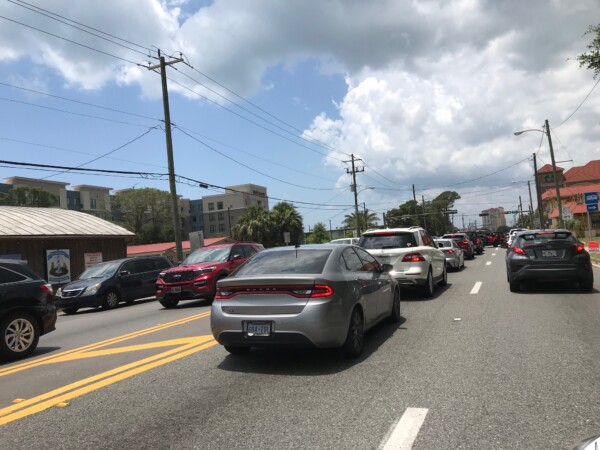
Image courtesy of Del Stone Jr.
I don’t know that I’ve ever written a cross word about Peter Bos. I’m not about to start now.
He’s a businessman, and a pretty good one at that. He’s doing what businessmen do – making money. He has made his money within the confines of the law, which is more than you can say about some of our politicians.
But when I heard about Legendary’s new nine-story “Baby Grande” development coming to Destin, I became angry – not with Mr. Bos, because again, he is simply doing what businessmen do. I hate what has happened to our community. Many of you can’t know what it was like because you weren’t here. I was. You’ll have to take my word for it when I say we’ve lost a priceless resource:
Innocence.
Destin has long since been dead. That goofy little fishing village I knew from the 1950s and ’60s ceased to exist sometime in the 1980s. The Museum of Sea and Indian, tourist traps selling baby alligators by the roadside, raw oysters tonged out of the bay that morning – all those things are gone. So are the miles and miles of beaches, clean water, snorkeling for scallops and beach bonfires and pompano big as hubcaps cruising the sandbars for sand fleas – they’re either gone or you can’t get to them because a wall of rich people and condos and big money stands in the way.
It’s too bad Eglin doesn’t give guided tours of Okaloosa Island because you need to see what the whole of the Emerald Coast looked like back then. I mean to tell you, it was beautiful. Plants grew in that white sand you couldn’t find anywhere else in the world. Animals lived there, groomed by natural selection to exist nowhere else. The smell was unique — a sharp, pine-like scent mixed with salt spray and something else, maybe the empty miles across the Gulf of Mexico.
Back then, we knew it would disappear. We knew it would be discovered, and outsiders would come in with their money and cement mixers, and all would be lost. We didn’t do anything about it, and I’m not sure why. Maybe we believed our leaders would protect our interests and keep that from happening. How could we have been so naïve?
Recently the Air Force said no to a bunch of different routes for an alternate bridge to Okaloosa Island. The Florida Department of Transportation is still trying to “fix” the traffic on U.S. Highway 98, especially the stretch through downtown Fort Walton Beach and Brooks Bridge. A second bridge was among the possible cures.
A second bridge wouldn’t fix anything. You could build a dozen bridges to Okaloosa Island – and six-lane highways, tunnels, double-decker roadways – and they wouldn’t fix anything either, because we’ve overbuilt and there’s no more room left. Every aspect of our infrastructure will be popping rivets and straining at the seams to accommodate the people.
“Baby Grande” isn’t threatening the environment because the land it sits on has already been built out. What it will do is make the roads more crowded, the restaurant lines longer, the beaches more congested, and life in general just a tiny bit more difficult for those of us who call this place home.
Destin City Councilman Chatham Morgan called it a “monstrosity” and asked, “When is enough, enough?” Apparently the answer to that question is when the land and sea are no longer available, the sky goes on the market.
So we’ve lost many of the things that made this place special. What we got in return was higher costs, congestion, and ugliness. I don’t care how beautiful the building, when it’s sitting on a plot of land that was unique and irreplaceable, well, that’s ugly.
I reiterate – I am not criticizing Mr. Bos. He has done nothing wrong.
Truth is, I’m not sure who I’m mad at. Short-sighted leaders of yesteryear? Human nature? Fate?
Or maybe just the failure to figure out a better way to make a buck than unrestrained growth. If unrestrained growth is so great, why do we spend so much time and money trying to beat cancer?
Ah well. Too late now. I’m just baying at the moon.
What little moon I can see between the towers.
This column was originally published in the May 15, 2016 edition of the Northwest Florida Daily News and is reused with permission.
About the author:
Del Stone Jr. is a professional fiction writer. He is known primarily for his work in the contemporary dark fiction field, but has also published science fiction and contemporary fantasy. Stone’s stories, poetry and scripts have appeared in publications such as Amazing Stories, Eldritch Tales, and Bantam-Spectra’s Full Spectrum. His short fiction has been published in The Year’s Best Horror Stories XXII; Alfred Hitchcock’s Mystery Magazine; the Pocket Books anthology More Phobias; the Barnes & Noble anthologies 100 Wicked Little Witch Stories, Horrors! 365 Scary Stories, and 100 Astounding Little Alien Stories; the HWA anthology Psychos; and other short fiction venues, like Blood Muse, Live Without a Net, Zombiesque and Sex Macabre. Stone’s comic book debut was in the Clive Barker series of books, Hellraiser, published by Marvel/Epic and reprinted in The Best of Hellraiser anthology. He has also published stories in Penthouse Comix, and worked with artist Dave Dorman on many projects, including the illustrated novella “Roadkill,” a short story for the Andrew Vachss anthology Underground from Dark Horse, an ashcan titled “December” for Hero Illustrated, and several of Dorman’s Wasted Lands novellas and comics, such as Rail from Image and “The Uninvited.” Stone’s novel, Dead Heat, won the 1996 International Horror Guild’s award for best first novel and was a runner-up for the Bram Stoker Award. Stone has also been a finalist for the IHG award for short fiction, the British Fantasy Award for best novella, and a semifinalist for the Nebula and Writers of the Future awards. His stories have appeared in anthologies that have won the Bram Stoker Award and the World Fantasy Award. Two of his works were optioned for film, the novella “Black Tide” and short story “Crisis Line.”
Stone recently retired after a 41-year career in journalism. He won numerous awards for his work, and in 1986 was named Florida’s best columnist in his circulation division by the Florida Society of Newspaper Editors. In 2001 he received an honorable mention from the National Lesbian and Gay Journalists Association for his essay “When Freedom of Speech Ends” and in 2003 he was voted Best of the Best in the category of columnists by Emerald Coast Magazine. He participated in book signings and awareness campaigns, and was a guest on local television and radio programs.
As an addendum, Stone is single, kills tomatoes and morning glories with ruthless efficiency, once tied the stem of a cocktail cherry in a knot with his tongue, and carries a permanent scar on his chest after having been shot with a paintball gun. He’s in his 60s as of this writing but doesn’t look a day over 94.
Contact Del at [email protected]. He is also on Facebook, twitter, Pinterest, tumblr, TikTok, and Instagram. Visit his website at delstonejr.com .

Image courtesy of Del Stone Jr.
Today I saw something that will remain in memory for a long time.
I was driving east on Mary Esther Cut-Off, about to approach the intersection with Beal Parkway. Traffic usually backs up there with people wanting to turn left onto Beal and head north for Walmart and Sam’s Club.
As I was creeping along in the right lane I saw something weird – a hawk standing in the middle of the road. It was uninjured and appeared to be fixed on something to its right.
I looked and saw a dove, maybe fresh from the nest, struggling toward the median. The hawk seemed determined to procure that dove for its dinner and as new cars approached it would launch into the air only to circle back and land when the car had passed. My fear is I’ll drive down that stretch tomorrow and see two splash marks – the hawk AND the dove.
I guess the humanitarian thing to do would have been to try to rescue the dove, but as a firm believer in science I think the hawk, as an apex predator of occipiter-related prey, deserved his shot at securing a meal. Hawks have moved into the suburbs as their habitat has been destroyed by developers for new housing tracts and business locations.
And doves? As anyone can tell you they have overrun the suburban enviroscape as human development has moved ever outward, taking over the former wild habitats they occupied.
While I feel pity for the poor dove I recognize the hawk as an even more important species in the questionable “preservation” of the food chain.
I hope I don’t see a mass of feathers on the roadway … doves breed three to four times per year while hawks breed only once. They are the sharks of the sky and while that analogy forces some unflattering comparisons, I’d hate to see them vanquished by some goober heading to Walmart for the latest “True Blood” box set.
About the author:
Del Stone Jr. is a professional fiction writer. He is known primarily for his work in the contemporary dark fiction field, but has also published science fiction and contemporary fantasy. Stone’s stories, poetry and scripts have appeared in publications such as Amazing Stories, Eldritch Tales, and Bantam-Spectra’s Full Spectrum. His short fiction has been published in The Year’s Best Horror Stories XXII; Alfred Hitchcock’s Mystery Magazine; the Pocket Books anthology More Phobias; the Barnes & Noble anthologies 100 Wicked Little Witch Stories, Horrors! 365 Scary Stories, and 100 Astounding Little Alien Stories; the HWA anthology Psychos; and other short fiction venues, like Blood Muse, Live Without a Net, Zombiesque and Sex Macabre. Stone’s comic book debut was in the Clive Barker series of books, Hellraiser, published by Marvel/Epic and reprinted in The Best of Hellraiser anthology. He has also published stories in Penthouse Comix, and worked with artist Dave Dorman on many projects, including the illustrated novella “Roadkill,” a short story for the Andrew Vachss anthology Underground from Dark Horse, an ashcan titled “December” for Hero Illustrated, and several of Dorman’s Wasted Lands novellas and comics, such as Rail from Image and “The Uninvited.” Stone’s novel, Dead Heat, won the 1996 International Horror Guild’s award for best first novel and was a runner-up for the Bram Stoker Award. Stone has also been a finalist for the IHG award for short fiction, the British Fantasy Award for best novella, and a semifinalist for the Nebula and Writers of the Future awards. His stories have appeared in anthologies that have won the Bram Stoker Award and the World Fantasy Award. Two of his works were optioned for film, the novella “Black Tide” and short story “Crisis Line.”
Stone recently retired after a 41-year career in journalism. He won numerous awards for his work, and in 1986 was named Florida’s best columnist in his circulation division by the Florida Society of Newspaper Editors. In 2001 he received an honorable mention from the National Lesbian and Gay Journalists Association for his essay “When Freedom of Speech Ends” and in 2003 he was voted Best of the Best in the category of columnists by Emerald Coast Magazine. He participated in book signings and awareness campaigns, and was a guest on local television and radio programs.
As an addendum, Stone is single, kills tomatoes and morning glories with ruthless efficiency, once tied the stem of a cocktail cherry in a knot with his tongue, and carries a permanent scar on his chest after having been shot with a paintball gun. He’s in his 60s as of this writing but doesn’t look a day over 94.
Contact Del at [email protected]. He is also on Facebook, twitter, Pinterest, tumblr, TikTok, and Instagram. Visit his website at delstonejr.com .
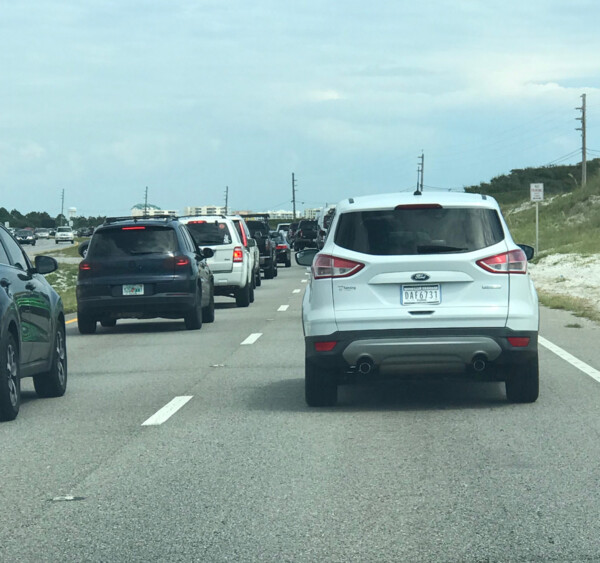
Image courtesy of Del Stone Jr.
Well, well. Here we sit on Okaloosa Island.
On the right lies our scenic marina-slash-sewer, aka Choctawhatchee Bay. Rumors of the Gulf of Mexico place it to our left, its existence privy only to the gloating apparatchiks who inhabit the faux stucco monads of the Concrete Coast. Mister Gorbachev, will you tear down this wall too?
Stretching before us is the gridlocked nightmare of U.S. Highway 98. As far as the eye can see lies a festering double lane of Nimitz-class pickup trucks, Mommymobiles packed with piña colada-scented melanoma candidates and SUVs that would get themselves sucked to the axles if you took them into the soft island sand.
The seas are rising faster than this line is moving. Progress – lucky us.
Traffic jams are nothing new to the Emerald Coast. Every time a cell phone yapper plows his Suburban into anything smaller than an Abrams tank, traffic backs up. Every time a hurricane roars out of the gulf to revive the anxiety industry, traffic backs up.
And so on that first warm day of spring, when people collectively infer the end of winter and celebrate with a day of looking for a parking spot at the tiny pool of public beaches reserved for the proletariat, traffic backs up.
But of course that first warm day took place back in March. This is June, and it’s the steamy middle of the afternoon, long before the beachgoers pack up their coolers and their new tan lines and begin the arduous crawl for home.
So what gives?
Two things: the new traffic light on Okaloosa Island and the conference center.
The new traffic light amounts to a speed bump of Himalayan proportions. It takes time for people to stop their cars, and it takes time for people to get them going again. All that adds up to time.
Throw into that mix the traffic congestion caused by the conference center – you can’t funnel all those people and vehicles into such a confined space without bringing life to a standstill.
Some of the elite who stand to gain from all this say it’s not the light or the conference center causing the congestion. It’s just regular summer traffic.
Baloney.
These days, traffic backs up even on weekdays. That’s not “regular.”
We were told the gridlock wouldn’t happen. We were told if we complained about it, we’d be grumpy old curmudgeons who oppose progress.
Well, here we sit.
And while a few of the merchant princes will fatten their wallets, and a scattering of kids will get minimum-wage, part time, no benefits jobs, the remaining 98 percent of us will pay for this “progress” with more pollution, more stress and less time to enjoy the fruits of this so-called paradise.
It used to be “progress” meant “better.” But in the cynical lexicon of the ruling class, it means “whatever makes me money, and damn the cost to everyone else.”
It’s not progress if it lowers the quality of life.
Meanwhile, here we sit.
This column was published in the Saturday, June 7, 2003 edition of the Northwest Florida Daily News and is used with permission.
About the author:
Del Stone Jr. is a professional fiction writer. He is known primarily for his work in the contemporary dark fiction field, but has also published science fiction and contemporary fantasy. Stone’s stories, poetry and scripts have appeared in publications such as Amazing Stories, Eldritch Tales, and Bantam-Spectra’s Full Spectrum. His short fiction has been published in The Year’s Best Horror Stories XXII; Alfred Hitchcock’s Mystery Magazine; the Pocket Books anthology More Phobias; the Barnes & Noble anthologies 100 Wicked Little Witch Stories, Horrors! 365 Scary Stories, and 100 Astounding Little Alien Stories; the HWA anthology Psychos; and other short fiction venues, like Blood Muse, Live Without a Net, Zombiesque and Sex Macabre. Stone’s comic book debut was in the Clive Barker series of books, Hellraiser, published by Marvel/Epic and reprinted in The Best of Hellraiser anthology. He has also published stories in Penthouse Comix, and worked with artist Dave Dorman on many projects, including the illustrated novella “Roadkill,” a short story for the Andrew Vachss anthology Underground from Dark Horse, an ashcan titled “December” for Hero Illustrated, and several of Dorman’s Wasted Lands novellas and comics, such as Rail from Image and “The Uninvited.” Stone’s novel, Dead Heat, won the 1996 International Horror Guild’s award for best first novel and was a runner-up for the Bram Stoker Award. Stone has also been a finalist for the IHG award for short fiction, the British Fantasy Award for best novella, and a semifinalist for the Nebula and Writers of the Future awards. His stories have appeared in anthologies that have won the Bram Stoker Award and the World Fantasy Award. Two of his works were optioned for film, the novella “Black Tide” and short story “Crisis Line.”
Stone recently retired after a 41-year career in journalism. He won numerous awards for his work, and in 1986 was named Florida’s best columnist in his circulation division by the Florida Society of Newspaper Editors. In 2001 he received an honorable mention from the National Lesbian and Gay Journalists Association for his essay “When Freedom of Speech Ends” and in 2003 he was voted Best of the Best in the category of columnists by Emerald Coast Magazine. He participated in book signings and awareness campaigns, and was a guest on local television and radio programs.
As an addendum, Stone is single, kills tomatoes and morning glories with ruthless efficiency, once tied the stem of a cocktail cherry in a knot with his tongue, and carries a permanent scar on his chest after having been shot with a paintball gun. He’s in his 60s as of this writing but doesn’t look a day over 94.
Contact Del at [email protected]. He is also on Facebook, twitter, Pinterest, tumblr, TikTok, Ello and Instagram. Visit his website at delstonejr.com .
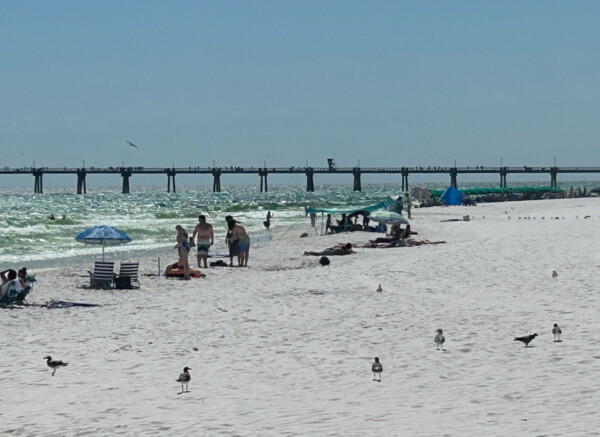
Image courtesy of Del Stone Jr.
I give up.
I’m tired of the evil looks.
I’m tired of the snarky remarks.
I’m tired of the short end of the stick.
So I’m defecting to the other side.
I’m joining the opposition.
I am now pro-development.
Gosh, that feels better. No more underdog. No more David and Goliath. I’m hangin’ with the winners. I love the smell of asphalt in the morning.
But what can I, a lowly columnist, do to further the development of Northwest Florida?
I’ve given this a lot of thought, and I’ve decided my role can be that of promotions guy. Rah, rah, sis boom bah, they came, they saw, they put up a parking lot. I’m all that.
Here’s my first effort. Let me know what you think:
“Welcome to the Asphalt Coast – make that the Emerald Coast (old habits are hard to break) – home of the world’s most beautiful beaches – hey you! GET OUT OF THE WATER! It’s bubbling with fecal coliform bacteria! You want a hideous disease to remember your vacation? We have lots of T-shirt shops but not very many hospitals, and we certainly don’t have the health insurance agents to treat a mob of idiot tourists with raging earaches.
“Why not take a relaxing, soothing walk along the beach – whoa, buddy! Not THAT beach. THAT beach is private property! You walk on this PUBLIC beach, all hundred feet of it, with all the other thousands upon thousands of tourists. Just walk in circles and try not to step on anybody’s head.
“And don’t walk so close to the water, dummy! You wanna get run over by a Jet Ski? The insurance on those things is through the roof!
“After your day at the beach, try one of our fine restaurants – are you MAD? Don’t get in your car! You’re not going anywhere! U.S. Highway 98 is a parking lot all summer! Find a spot in the gridlock where three cars are lined up side-by-side, and just leap from one trunk to the next, OK?
“Looking for the nightlight? Feel free to sample our many fine entertainment establishments – well, um, yeah, those are strippers. And yeah, those are underage drinkers. And, er, yes, we do have more bars per capita than Tijuana, Mexico.
“While you’re here, you’ll want to marvel over the wonders of the deep blue sea. Most of them you can find washed up on the beach, or hanging from a hook at a dock next to some lawyer from Birmingham who’s having his picture taken. Try not to let them bite you.
“Also, be sure to tour downtown Fort Walton Beach, where the lovely new medians will beguile you with their Olde Worlde Charme. You may even want to stop and visit the many pool halls, abandoned shopping centers, and car title loan centers. Or just relax and sit back with a police sting operation on crack dealers.
“Please enjoy your stay here at the Emerald Coast, where we go by the motto, Your money or your life.
“And remember: All of this splendor is brought to you by FREE ENTERPRISE, where we’re always looking out for your interests, if there’s a buck in it for us. And if there isn’t, well, then you’re the ones who’d better look out!”
This column was published in the Aug. 4, 1999 Northwest Florida Daily News and is used with permission.
About the author:
Del Stone Jr. is a professional fiction writer. He is known primarily for his work in the contemporary dark fiction field, but has also published science fiction and contemporary fantasy. Stone’s stories, poetry and scripts have appeared in publications such as Amazing Stories, Eldritch Tales, and Bantam-Spectra’s Full Spectrum. His short fiction has been published in The Year’s Best Horror Stories XXII; Alfred Hitchcock’s Mystery Magazine; the Pocket Books anthology More Phobias; the Barnes & Noble anthologies 100 Wicked Little Witch Stories, Horrors! 365 Scary Stories, and 100 Astounding Little Alien Stories; the HWA anthology Psychos; and other short fiction venues, like Blood Muse, Live Without a Net, Zombiesque and Sex Macabre. Stone’s comic book debut was in the Clive Barker series of books, Hellraiser, published by Marvel/Epic and reprinted in The Best of Hellraiser anthology. He has also published stories in Penthouse Comix, and worked with artist Dave Dorman on many projects, including the illustrated novella “Roadkill,” a short story for the Andrew Vachss anthology Underground from Dark Horse, an ashcan titled “December” for Hero Illustrated, and several of Dorman’s Wasted Lands novellas and comics, such as Rail from Image and “The Uninvited.” Stone’s novel, Dead Heat, won the 1996 International Horror Guild’s award for best first novel and was a runner-up for the Bram Stoker Award. Stone has also been a finalist for the IHG award for short fiction, the British Fantasy Award for best novella, and a semifinalist for the Nebula and Writers of the Future awards. His stories have appeared in anthologies that have won the Bram Stoker Award and the World Fantasy Award. Two of his works were optioned for film, the novella “Black Tide” and short story “Crisis Line.”
Stone recently retired after a 41-year career in journalism. He won numerous awards for his work, and in 1986 was named Florida’s best columnist in his circulation division by the Florida Society of Newspaper Editors. In 2001 he received an honorable mention from the National Lesbian and Gay Journalists Association for his essay “When Freedom of Speech Ends” and in 2003 he was voted Best of the Best in the category of columnists by Emerald Coast Magazine. He participated in book signings and awareness campaigns, and was a guest on local television and radio programs.
As an addendum, Stone is single, kills tomatoes and morning glories with ruthless efficiency, once tied the stem of a cocktail cherry in a knot with his tongue, and carries a permanent scar on his chest after having been shot with a paintball gun. He’s in his 60s as of this writing but doesn’t look a day over 94.
Contact Del at [email protected]. He is also on Facebook, twitter, Pinterest, tumblr, TikTok, Ello and Instagram. Visit his website at delstonejr.com .
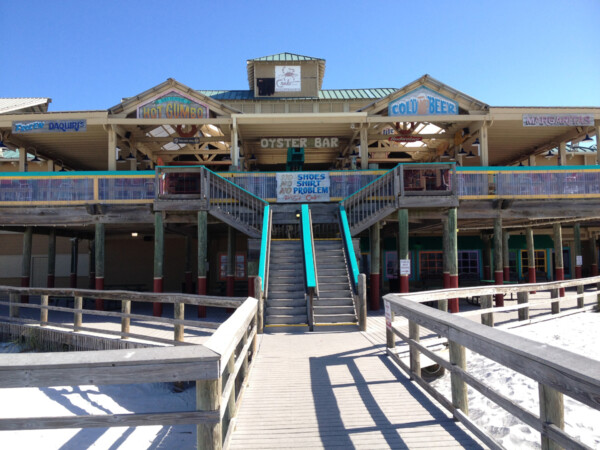
Image courtesy of Del Stone Jr.
Good morning, Okaloosa County, and welcome to $4.3 million worth of new development on Okaloosa Island, courtesy of park leaseholders Surfside Ventures and your overly friendly County Commission.
Say what? You didn’t know about any development proposal for Okaloosa Island?
You’re not alone. Most people didn’t.
In fact, had the sun risen over the wrong end of Okaloosa Island on Tuesday, we couldn’t have been more surprised.
That’s because it was buried on the commission’s agenda, which was faxed to the media last Thursday at 4:45 in the afternoon.
And when commissioners met Tuesday morning, following the three-day Martin Luther King Jr. holiday weekend, this multimillion dollar project was approved after less than a scan half-hour’s discussion.
The development calls for an expansion of facilities at Newman C. Brackin Wayside Park on Okaloosa Island. Coming are Sheriff’s Office and Emergency Medical Services substations, a stage for outdoor bands, a wedding chapel and a go-cart track.
The expansion also includes a festival site, a department store, an extreme sports site, specialty stores, a restaurant and bar, and a slide, gazebos, public picnic pavilion and yogurt shop.
The leaseholder is Surfside Ventures, comprised of Bob Bonezzi, Beach Resort owner Fred Tolbert, Atlanta developer Mahammad Malas, Richard Rausch and A.J.’s owner Alan Laird.
No matter what you believe about development on Okaloosa Island, you should be mad as hell, because while commissioners violated no laws, they conducted their business in a way that essentially deprived YOU, the public, of a chance to express an opinion.
As if it needed saying, that’s wrong, wrong, wrong.
“We didn’t mean to sneak it up anybody,” commission Chairman Nick Nicholson said when asked by Staff Writer Jeff Newell if the expansion required more notice to the public or a public hearing. “If there was a requirement for a public hearing, our attorney would have advised us of that.”
Said Nicholson, “I don’t think it was the intent to do it quietly or loudly. We just acted on it from a business standpoint, from the leaseholders’ request.”
How reassuring that the county is looking out for the interest of its leaseholders. What about the interests of the public, whom commissioners are alleged to represent.
Can anybody spell V-A-S-E-L-I-N-E?
Truth is, had the Daily News spotted the innocuous entry on the county’s agenda Thursday night, Newell couldn’t have turned a story around until Saturday’s newspaper, when commissioners would have been conveniently unavailable until Tuesday morning.
Perhaps angry mobs at Tuesday’s commission meeting could have altered events. Or maybe that’s why things happened as they did.
But somebody needs to remind commissioners that government is a cooperative venture between politicians and people, and when you alter that equation, the result is something that falls horribly short of democracy.
This column was published in the Jan. 20, 1999 Northwest Florida Daily News and is used with permission.
About the author:
Del Stone Jr. is a professional fiction writer. He is known primarily for his work in the contemporary dark fiction field, but has also published science fiction and contemporary fantasy. Stone’s stories, poetry and scripts have appeared in publications such as Amazing Stories, Eldritch Tales, and Bantam-Spectra’s Full Spectrum. His short fiction has been published in The Year’s Best Horror Stories XXII; Alfred Hitchcock’s Mystery Magazine; the Pocket Books anthology More Phobias; the Barnes & Noble anthologies 100 Wicked Little Witch Stories, Horrors! 365 Scary Stories, and 100 Astounding Little Alien Stories; the HWA anthology Psychos; and other short fiction venues, like Blood Muse, Live Without a Net, Zombiesque and Sex Macabre. Stone’s comic book debut was in the Clive Barker series of books, Hellraiser, published by Marvel/Epic and reprinted in The Best of Hellraiser anthology. He has also published stories in Penthouse Comix, and worked with artist Dave Dorman on many projects, including the illustrated novella “Roadkill,” a short story for the Andrew Vachss anthology Underground from Dark Horse, an ashcan titled “December” for Hero Illustrated, and several of Dorman’s Wasted Lands novellas and comics, such as Rail from Image and “The Uninvited.” Stone’s novel, Dead Heat, won the 1996 International Horror Guild’s award for best first novel and was a runner-up for the Bram Stoker Award. Stone has also been a finalist for the IHG award for short fiction, the British Fantasy Award for best novella, and a semifinalist for the Nebula and Writers of the Future awards. His stories have appeared in anthologies that have won the Bram Stoker Award and the World Fantasy Award. Two of his works were optioned for film, the novella “Black Tide” and short story “Crisis Line.”
Stone recently retired after a 41-year career in journalism. He won numerous awards for his work, and in 1986 was named Florida’s best columnist in his circulation division by the Florida Society of Newspaper Editors. In 2001 he received an honorable mention from the National Lesbian and Gay Journalists Association for his essay “When Freedom of Speech Ends” and in 2003 he was voted Best of the Best in the category of columnists by Emerald Coast Magazine. He participated in book signings and awareness campaigns, and was a guest on local television and radio programs.
As an addendum, Stone is single, kills tomatoes and morning glories with ruthless efficiency, once tied the stem of a cocktail cherry in a knot with his tongue, and carries a permanent scar on his chest after having been shot with a paintball gun. He’s in his 60s as of this writing but doesn’t look a day over 94.
Contact Del at [email protected]. He is also on Facebook, twitter, Pinterest, tumblr, TikTok, Ello and Instagram. Visit his website at delstonejr.com .
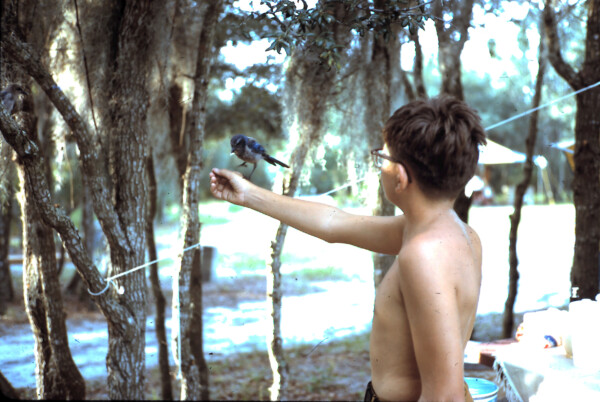
The author poses with a scrub jay in this photo that was taken in the 1970s during a Stone family vacation. Image courtesy of Delmar S. Stone Sr.
Every time I speak against the rising swell of pollution, congestion and destruction that is overwhelming the Asphalt Coast, quivering snouts emerge from the quagmire to squeal for pearls.
“Show us the numbers,” they demand, and then they cast forth their own numbers – of new slave-labor jobs created, of new taco-burger-pizza stands thrown together, of cubic yards of earth scabbed by asphalt, as if these cold calculations were the sum of all things.
Thank God they are not.
In reality, the finest things are those which cannot be enumerated by the appraiser’s cool eye: beauty, serenity, peace of mind.
These are priceless, and to demand that a monetary value be stamped upon them, as if they were plastic widgets fished from the clearance bin at a discount store, is to murder them all the other intangibles that make life worth living.
A bird, for instance. In central Florida, you stroll through oak hammocks and bird called a scrub jay will swoop down and perch on your hand and look you in the eye.
Wild birds that are unafraid of man. Isn’t that something?
Scrub jays are close to extinction now, because the oak hammocks have been paved over with strip shopping centers to house more out-of-business video stores.
Is it so all-fired important that you be able to rent “Naked Bimbos from Uranus” at every street corner? Is a video store worth the loss of a bird?
Or a fish – have you seen the water froth as feeding blues slash through schools of frenzied alewife, a scene bathed in the ruddy glow of a distant thunderstorm illuminated by the sailor’s delight of a setting sun?
Now, the murky water carries an oily sheen, and the froth is caused by personal watercraft screaming across its surface.
How much does a fish cost? How much does a pretty scene fetch on the open market?
What is the price of silence? I’ve stood in the forest, where you can hear the nodding of trees, the clouds sailing overhead, the ocean of air. This is the sound of sanity, where dreams are born. How much do you pay for your dreams?
To the privileged few, these things are no more important than what they can be sold for. Such are the wages of “growth.” If it puts money in their pockets it’s good, even if it takes away from everything else.
Most people would call that arrogance. We don’t need arrogance.
What we do need is a less practical but more useful emotion.
On cloudless nights I have gone out and looked up and understood without a word that I am a small thing in a very big universe. The humility is like coming home.
That’s what we need.
To understand the only true measure of prosperity is happiness. Any person, or any thing, which measures its prosperity by “growth” is doomed.
Zelda Fitzgerald said that no one, not even poets, has measured how much a heart can hold.
Yet the squealing for pearls goes on.
How awful, that these shallow and dreamless creatures would rule the world.
This column was originally published in the Northwest Florida Daily News on May 6, 1998 and is used with permission.
About the author:
Del Stone Jr. is a professional fiction writer. He is known primarily for his work in the contemporary dark fiction field, but has also published science fiction and contemporary fantasy. Stone’s stories, poetry and scripts have appeared in publications such as Amazing Stories, Eldritch Tales, and Bantam-Spectra’s Full Spectrum. His short fiction has been published in The Year’s Best Horror Stories XXII; Alfred Hitchcock’s Mystery Magazine; the Pocket Books anthology More Phobias; the Barnes & Noble anthologies 100 Wicked Little Witch Stories, Horrors! 365 Scary Stories, and 100 Astounding Little Alien Stories; the HWA anthology Psychos; and other short fiction venues, like Blood Muse, Live Without a Net, Zombiesque and Sex Macabre. Stone’s comic book debut was in the Clive Barker series of books, Hellraiser, published by Marvel/Epic and reprinted in The Best of Hellraiser anthology. He has also published stories in Penthouse Comix, and worked with artist Dave Dorman on many projects, including the illustrated novella “Roadkill,” a short story for the Andrew Vachss anthology Underground from Dark Horse, an ashcan titled “December” for Hero Illustrated, and several of Dorman’s Wasted Lands novellas and comics, such as Rail from Image and “The Uninvited.” Stone’s novel, Dead Heat, won the 1996 International Horror Guild’s award for best first novel and was a runner-up for the Bram Stoker Award. Stone has also been a finalist for the IHG award for short fiction, the British Fantasy Award for best novella, and a semifinalist for the Nebula and Writers of the Future awards. His stories have appeared in anthologies that have won the Bram Stoker Award and the World Fantasy Award. Two of his works were optioned for film, the novella “Black Tide” and short story “Crisis Line.”
Stone recently retired after a 41-year career in journalism. He won numerous awards for his work, and in 1986 was named Florida’s best columnist in his circulation division by the Florida Society of Newspaper Editors. In 2001 he received an honorable mention from the National Lesbian and Gay Journalists Association for his essay “When Freedom of Speech Ends” and in 2003 he was voted Best of the Best in the category of columnists by Emerald Coast Magazine. He participated in book signings and awareness campaigns, and was a guest on local television and radio programs.
As an addendum, Stone is single, kills tomatoes and morning glories with ruthless efficiency, once tied the stem of a cocktail cherry in a knot with his tongue, and carries a permanent scar on his chest after having been shot with a paintball gun. He’s in his 60s as of this writing but doesn’t look a day over 94.
Contact Del at [email protected]. He is also on Facebook, twitter, Pinterest, tumblr, TikTok, and Instagram. Visit his website at delstonejr.com .
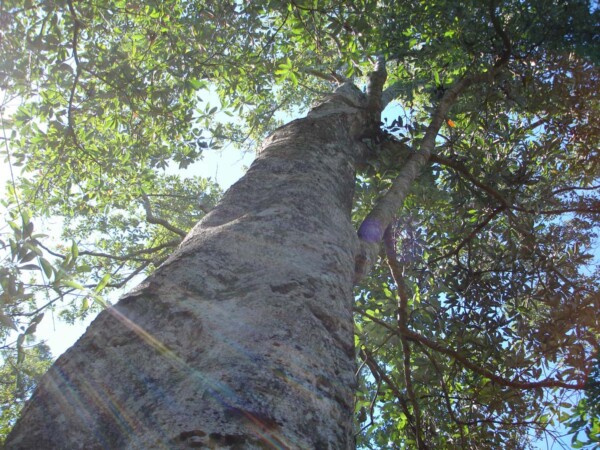
Image courtesy of Del Stone Jr.
Got lots of interesting feedback from last week’s epistle about trees.
Okaloosa planning manager Pat Blackshear agreed that tree preservation is a good thing and said the county is trying to stop the kind of thing that happened on Racetrack Road from happening again. Good luck, Pat.
Another reader sent a clipping: Toyota is developing an experimental tree that eats a higher percentage of the toxic gack emitted by cars. They want to plant these tress along Japan’s highways to soak up more CO2.
Gayle Melich of Niceville sent an ad that appeared in The New Yorker for the New Hampshire Office of Travel and Tourism Development. It read: “More than 6,000 miles of pathways and not one drop of cement.” Now there’s a sentiment to rattle the tar vendors along the Asphalt Coast.
[ Oh, joy, oh rapture. More growth ]
And a Navarre reader suggested the following remediations:
1. Tree ordinances.
2. Reward businesses that build on previously developed property (like Office Maxx).
3. Increase fees for clearing land.
4. Step up educational efforts.
5. The Daily News could place newspaper recycling bins in elementary schools and reward those schools that collect the most paper.
Speaking of trees, the National Arbor Day Foundation has a booklet out called “What Tree Is That?” It’s a pocket guide for identifying trees.
Everybody’s talking about a convention center on Okaloosa Island.
Politicians. Tourism officials. Island businessman.
Kelly Humphrey, in a May 31 MoneySense article, quoted Ramada Beach Resort GM Werner Brielmayer as saying, “We’re building a convention center here,” and the Florida Legislature even passed a law providing bed tax money for a convention center.
Sounds like it’s a done deal, except for one teensy, weensy problem.
Last time county commissioners brought up the subject, angry mobs turned out to give ’em hell (way to go, Joe!). Since then, readers have been calling, writing and e-mailing me to say:
We don’t want a convention center. We don’t want the congestion. We don’t want the pollution. We don’t want the traffic.
And we sure as heck don’t want the bill.
What’s next? Will the CRA, which has had more stakes pounded through its heart than Dracula, be pushing for a parallel bridge to relieve all the convention center road crowding? Don’t laugh. It could happen.
People have said they don’t want this thing. Is it the money that’s talking now?
Got a tongue-in-cheek letter from a Mystery Author about surly babies in public places.
This person equated the defense of misbehaving kiddies with the crucifixion of smokers who light up in public.
At the end of his letter, Mystery Author warned that next time he sees a kid acting up in public and Mommy or Daddy doesn’t do something about it, he’ll give the kid a cigarette!
Better watch out, Mystery Author! You’ll have the ATF and the CF at your door. Maybe even the CRA!
This column was originally published in the June 24, 1998 edition of the Northwest Florida Daily News and is used with permission
About the author:
Del Stone Jr. is a professional fiction writer. He is known primarily for his work in the contemporary dark fiction field, but has also published science fiction and contemporary fantasy. Stone’s stories, poetry and scripts have appeared in publications such as Amazing Stories, Eldritch Tales, and Bantam-Spectra’s Full Spectrum. His short fiction has been published in The Year’s Best Horror Stories XXII; Alfred Hitchcock’s Mystery Magazine; the Pocket Books anthology More Phobias; the Barnes & Noble anthologies 100 Wicked Little Witch Stories, Horrors! 365 Scary Stories, and 100 Astounding Little Alien Stories; the HWA anthology Psychos; and other short fiction venues, like Blood Muse, Live Without a Net, Zombiesque and Sex Macabre. Stone’s comic book debut was in the Clive Barker series of books, Hellraiser, published by Marvel/Epic and reprinted in The Best of Hellraiser anthology. He has also published stories in Penthouse Comix, and worked with artist Dave Dorman on many projects, including the illustrated novella “Roadkill,” a short story for the Andrew Vachss anthology Underground from Dark Horse, an ashcan titled “December” for Hero Illustrated, and several of Dorman’s Wasted Lands novellas and comics, such as Rail from Image and “The Uninvited.” Stone’s novel, Dead Heat, won the 1996 International Horror Guild’s award for best first novel and was a runner-up for the Bram Stoker Award. Stone has also been a finalist for the IHG award for short fiction, the British Fantasy Award for best novella, and a semifinalist for the Nebula and Writers of the Future awards. His stories have appeared in anthologies that have won the Bram Stoker Award and the World Fantasy Award. Two of his works were optioned for film, the novella “Black Tide” and short story “Crisis Line.”
Stone recently retired after a 41-year career in journalism. He won numerous awards for his work, and in 1986 was named Florida’s best columnist in his circulation division by the Florida Society of Newspaper Editors. In 2001 he received an honorable mention from the National Lesbian and Gay Journalists Association for his essay “When Freedom of Speech Ends” and in 2003 he was voted Best of the Best in the category of columnists by Emerald Coast Magazine. He participated in book signings and awareness campaigns, and was a guest on local television and radio programs.
As an addendum, Stone is single, kills tomatoes and morning glories with ruthless efficiency, once tied the stem of a cocktail cherry in a knot with his tongue, and carries a permanent scar on his chest after having been shot with a paintball gun. He’s in his 60s as of this writing but doesn’t look a day over 94.
Contact Del at [email protected]. He is also on Facebook, twitter, Pinterest, tumblr, TikTok, and Instagram. Visit his website at delstonejr.com .