Some things just don’t smell as good as they used to
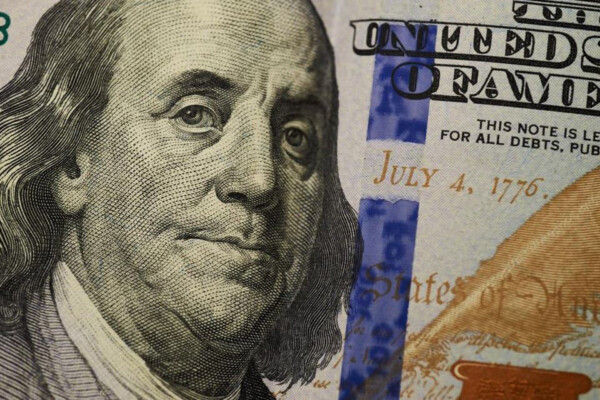
Image courtesy of FreeRange Stock. CC license.
Maybe it’s old age catching up with me, but certain things don’t smell as good as they used to.
It’s not that the smells have faded. They’ve changed.
For instance, remember the smell of paper money? It was a lush, earthy scent that smelled the way you would expect money to smell.
Once, when I was a boy of about 10, I removed my life’s savings of $8 from my bank that was disguised as a book, held it to my nose, drew deeply of the rich scent and then tossed the money up in the air, letting it fall over me.
But today’s money doesn’t smell so nice. It has an odor of chemicals, and it doesn’t even look like money, what with the weird ribbons, holographs and odd colors threaded throughout the bills. You have to be a little suspicious of money like that, just as you’d be suspicious of month-old bread without a trace of mold on the crust.
Gasoline no longer smells as good as it once did. I used to love filling the tank on the lawnmower because that sharp, stinging scent of gasoline would rise from the opening and set the air to shimmering. You could almost feel the brain cells dying as you took in the powerful odor.
But now gasoline smells … like chemicals. Perhaps it’s because they’ve removed the lead, or added detergents, or otherwise emasculated it, but gasoline just doesn’t have that honest, powerful smell it once did.
Before the days of photocopiers and laser printers, we primitive folk relied on a gadget called a mimeograph machine to make copies. What a pain. You had to type your material on a stencil, then strap the stencil to a machine with a revolving drum filled with a fluid. The fluid transferred the characters on the stencil to blank pieces of paper stacked below the drum, creating copies in a bluish type that students throughout the ’60s and ’70s grew up on.
While mimeographs were a chore for teachers, they were terrific for students, because the smell was heavenly. The teacher would hand us a freshly minted test and we’d run our noses along the length of the paper, sucking up that intoxicating aroma … and I do mean “intoxicating” because the fluid probably gave us a minor buzz.
And then there were the mosquito foggers that wandered through the neighborhoods spouting huge clouds of white smoke laden with DDT.
We kids loved those foggers. The trucks were noisy and could be heard a couple of streets over; that was our cue to get on our bikes and chase down the fogger to ride in the smoke being spewed from its nozzle. Sometimes the driver would oblige and stop to give us an extra shot of smoke.
When you see the mosquito fogger today you duck inside because it smells so horrible, which I think is the county’s secret strategy – if you’re inside the mosquitoes wont’ bother you. Right?
So the good old days of sniffing all those cancer-causing are gone but not forgotten … at least until that brain cell dies from exposure to toxins.
This column was originally published in the Saturday, December 4, 2004 Northwest Florida Daily News and is used with permission.
About the author:
Del Stone Jr. is a professional fiction writer. He is known primarily for his work in the contemporary dark fiction field, but has also published science fiction and contemporary fantasy. Stone’s stories, poetry and scripts have appeared in publications such as Amazing Stories, Eldritch Tales, and Bantam-Spectra’s Full Spectrum. His short fiction has been published in The Year’s Best Horror Stories XXII; Alfred Hitchcock’s Mystery Magazine; the Pocket Books anthology More Phobias; the Barnes & Noble anthologies 100 Wicked Little Witch Stories, Horrors! 365 Scary Stories, and 100 Astounding Little Alien Stories; the HWA anthology Psychos; and other short fiction venues, like Blood Muse, Live Without a Net, Zombiesque and Sex Macabre. Stone’s comic book debut was in the Clive Barker series of books, Hellraiser, published by Marvel/Epic and reprinted in The Best of Hellraiser anthology. He has also published stories in Penthouse Comix, and worked with artist Dave Dorman on many projects, including the illustrated novella “Roadkill,” a short story for the Andrew Vachss anthology Underground from Dark Horse, an ashcan titled “December” for Hero Illustrated, and several of Dorman’s Wasted Lands novellas and comics, such as Rail from Image and “The Uninvited.” Stone’s novel, Dead Heat, won the 1996 International Horror Guild’s award for best first novel and was a runner-up for the Bram Stoker Award. Stone has also been a finalist for the IHG award for short fiction, the British Fantasy Award for best novella, and a semifinalist for the Nebula and Writers of the Future awards. His stories have appeared in anthologies that have won the Bram Stoker Award and the World Fantasy Award. Two of his works were optioned for film, the novella “Black Tide” and short story “Crisis Line.”
Stone recently retired after a 41-year career in journalism. He won numerous awards for his work, and in 1986 was named Florida’s best columnist in his circulation division by the Florida Society of Newspaper Editors. In 2001 he received an honorable mention from the National Lesbian and Gay Journalists Association for his essay “When Freedom of Speech Ends” and in 2003 he was voted Best of the Best in the category of columnists by Emerald Coast Magazine. He participated in book signings and awareness campaigns, and was a guest on local television and radio programs.
As an addendum, Stone is single, kills tomatoes and morning glories with ruthless efficiency, once tied the stem of a cocktail cherry in a knot with his tongue, and carries a permanent scar on his chest after having been shot with a paintball gun. He’s in his 60s as of this writing but doesn’t look a day over 94.
Contact Del at [email protected]. He is also on Facebook, twitter, Pinterest, tumblr, TikTok, and Instagram. Visit his website at delstonejr.com .

Leave a Reply